
In today’s fast-paced fashion landscape, fashion automation for custom tailoring is helping brands eliminate repetitive tasks and focus on craftsmanship.
Last time, we showed how even simple automation – like auto-notifying customers when their order is ready – can take one tedious task off your plate.
This time, we’re going deeper into the automation magic behind-the-scenes, where APIs and Webhooks quietly turn your body scan data into ready-to-go production orders—without you lifting a finger.
Imagine you have a magic assistant in the shop. When your tailor finishes measuring a client, instead of calling you over to log the details, a whistle blows on its own (that’s the webhook), instantly alerting your system that the job is done.
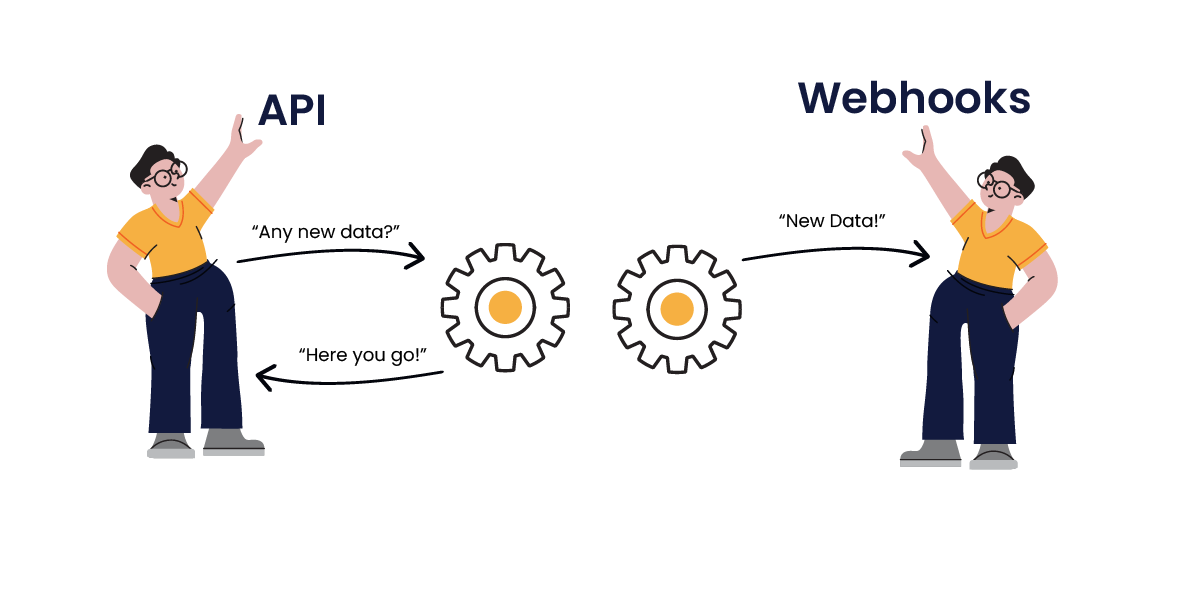 Image Credit: ButterCMS
Meanwhile, you’ve also got a magic notebook (the API)—so when the system hears that whistle, it knows exactly what to do next. Pull the right measurements, match the product type, and pass the info down the production line. No thinking. No clicking. Just done.
In simple terms:
Imagine a customer walks into your shop. You scan them using our Scanatic™ 360 Body Scanner. Here’s what automation can look like behind the curtain:


All this, before you’ve even taken your next client’s measurements.
In the next post, we’ll walk you through the exact setup—how to connect our Body Visualizer API and webhook into your favorite workflow tools like Make.com or Zapier. No code. No headaches. Just more time doing what you love: helping customers look their best.
Written By:

Head of Market Insights
Drop us a message. We’re always interested in how custom fashion brands like yours are navigating change. Let’s keep the conversation going..

